

House Moving in Nairobi Checklist: The Ultimate Step-by-Step Guide for a Smooth Relocation
Moving to a new home can be exciting, but without proper organization it can quickly become overwhelming. This House Moving in Nairobi Checklist is designed to help you plan every step of your relocation — from early preparation to settling into your new home.
Whether you are moving to Kilimani, Westlands, Lavington, Ngong Road, South B, or any other Nairobi neighborhood, this detailed checklist will help you stay organized, reduce stress, and avoid costly mistakes.
If you are working with professional movers like safe movers, this guide will help you coordinate effectively and ensure a smooth experience.

Start Early — Planning Begins Weeks Ahead
A successful house move begins long before the moving truck arrives. The earlier you start planning, the better your chances of staying organized and avoiding last-minute stress.
Set Your Moving Date
Choose a moving date that works well with your lease agreement, school schedules, and work commitments. In Nairobi, weekends and month ends are busiest, so plan ahead to secure your preferred date with a moving company.
Create a Moving Timeline
Break down your tasks into weekly goals. For instance:
- 4–6 weeks before: Sort and declutter
- 3–4 weeks before: Hire movers
- 2–3 weeks before: Start packing non-essentials
A timeline keeps you on track and prevents panic packing at the last minute.
Set a Moving Budget
Moving costs can vary greatly depending on how much help you need, the distance, and the number of items. Your budget should include:
- Professional movers and transportation
- Packing supplies (boxes, bubble wrap, tape)
- Cleaning services for old or new homes
- Storage (if needed)
- Unexpected expenses
Allocating a realistic budget prevents financial surprises and helps you choose the right services.
Choose Reliable Movers in Nairobi
Selecting a professional mover is one of the most important decisions you’ll make when moving homes. Trusted movers such as safe movers specialize in household relocations across Nairobi and beyond.
Professional movers bring:
- Experience handling fragile and heavy items
- Secure transportation
- Trained staff for packing and unpacking
- Insurance options
- Flexible scheduling
When choosing a moving company, consider:
- Years of experience
- Customer reviews
- What services are included in the quote
- Insurance coverage
Request quotes from multiple companies to compare prices and services. Booking at least 3–4 weeks in advance is recommended, especially during peak moving seasons.

Sort, Declutter, and Downsize
Before packing, go room by room and sort your items into categories:
- Keep
- Donate
- Sell
- Recycle or dispose
This is your chance to reduce clutter and take only what matters to your new home. Furniture or appliances you no longer need can be sold or donated to charity.
For documents and sensitive materials, shred what is no longer needed and securely organize what you will keep.
Organize Important Household Paperwork
Your move will involve paperwork and important documents that should be easily accessible:
- Rental agreements or property deeds
- Identification documents
- School records
- Medical records
- Utility contracts
- Insurance papers
Place these in a clearly marked folder or binder that you carry personally on moving day.
Pack Strategically & Label Everything
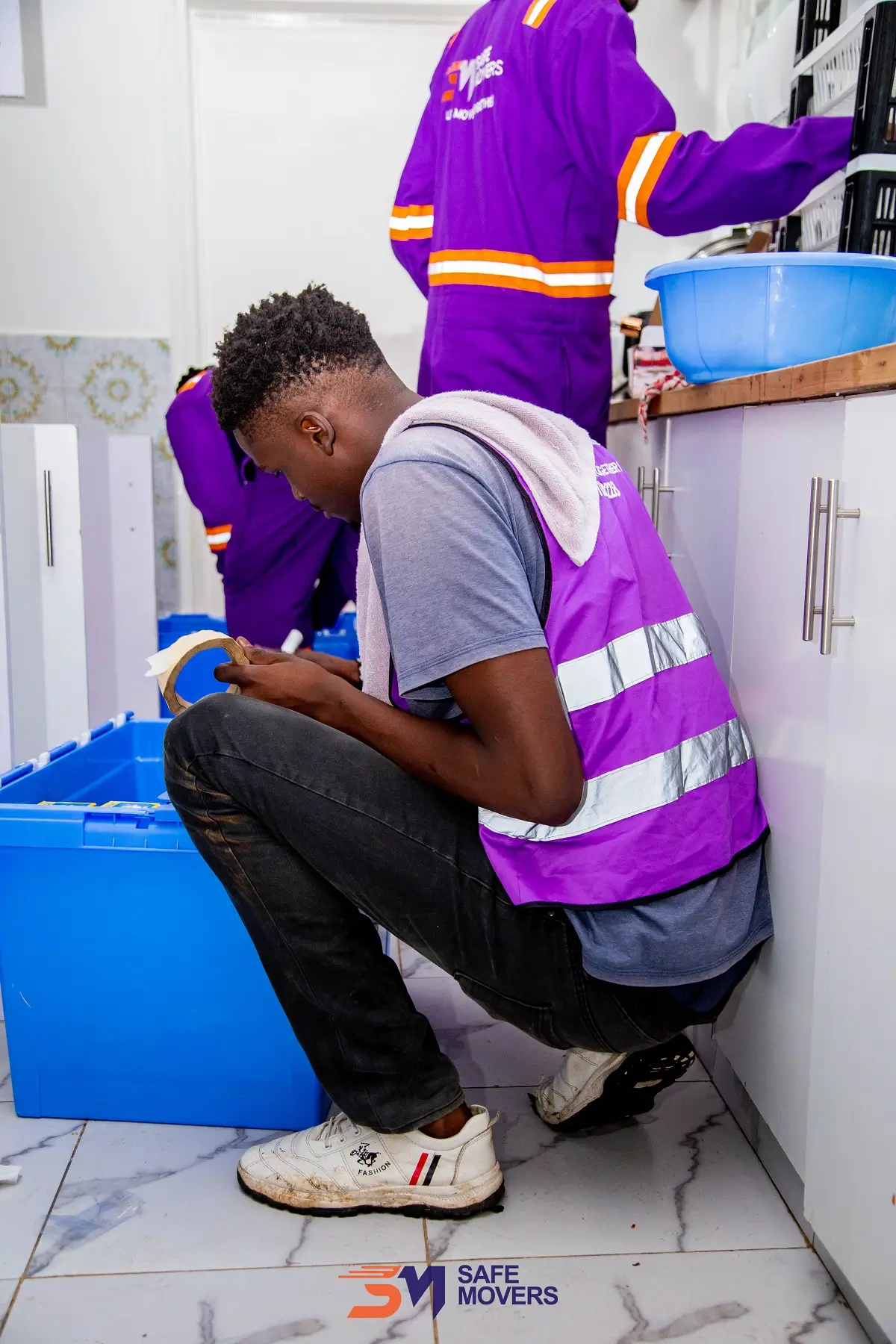
Packing is one of the most time-consuming parts of moving. A strategic approach will save time and make settling in easier.
Room by Room Packing
Start with rooms you use least (guest room, storage areas) and work toward everyday living spaces.
Essentials Box
Pack a box of immediate-need items — toiletries, snacks, chargers, a few clothes, basic kitchen tools — and label it “Open First.”
Label Every Box
Clear labeling helps everyone know what’s inside and where it belongs:
- Room name
- Brief item description
- Fragile / handle with care
Color-coded labels by room can also make unloading faster.
Disassemble Furniture Before Moving Day
Large furniture should be disassembled before movers arrive. This includes:
- Bed frames
- Tables
- Shelving units
Keep screws and small parts in labeled bags and tape them to the corresponding furniture item. This saves time and ensures nothing is lost.

Handle Valuables and Fragile Items with Care

Fragile items like glassware, artwork, and electronics require extra attention.
Use:
- Bubble wrap
- Packing paper
- Moving blankets
Pack these items separately and consider transporting valuables yourself if possible. Electronics such as computers and TVs should be packed in their original boxes if available.
Take Care of Your Utilities and Address Updates
Don’t forget to notify service providers ahead of time:
- Electricity and water
- Internet and TV subscriptions
- Gas services
- Postal address update
- Bank and mobile services
Schedule cut-off dates for your old address and start dates for the new home so you’re not left without essential services.
Communicate With Your Movers Clearly
A clear understanding with your moving company reduces confusion on the big day. Confirm:
- Arrival time
- Services included (packing, unpacking, disassembly)
- Items that need special handling
- Parking and access at both locations
Maintain open communication and share your checklist with them. Good coordination results in a smoother experience.
Prepare for Moving Day in Nairobi
On moving day, keep these tasks in mind:
Pack Essentials Last
Leave daily-use items — dishes, towels, toiletries — until the last minute.
Supervise and Guide Movers
Be present to oversee packing and loading. Provide direction on box placement and furniture handling.
Final Walkthrough
Before leaving your old home, do one last walk-through to check every room, cabinet, and closet.
Move In and Unpack Efficiently

Once your belongings arrive, start unpacking systematically:
Prioritize Key Areas First
- Kitchen
- Bedroom
- Bathroom
Unpack Essentials Box First
Set up what you need to live comfortably for the first few days.
Arrange Furniture and Storage
Take time to place furniture in its ideal spots before unpacking smaller boxes.
Settle Into Your New Nairobi Home

Settling in involves more than unpacking boxes. Take time to:
- Meet your new neighbors
- Find nearby facilities and amenities
- Update emergency contacts
- Locate garbage and recycling points
A familiar routine helps your family feel at home sooner.
Review and Reflect After the Move
After the move, review what went well and what could improve for future relocations. Consider:
- How efficient the planning was
- Packing strengths and challenges
- Communication with movers
- Any damaged or missing items
Taking notes now makes your next move — whenever that might be — much easier.
Final Thoughts
Moving homes in Nairobi is a major life event, but with careful planning and the right support, it doesn’t have to be stressful. By following this house moving checklist, staying organized, and working with trusted professionals like Safe Movers Kenya, you can enjoy a smooth and successful move.
Remember: preparation makes the difference between chaos and calm.


